2024 (2A12) Aluminum Rods: The Aerospace-Grade Workhorse for High-Fatigue Precision Parts
Hot keword :2024 5052 5083 6061 7075
The latest article
- British Purchasing Representative James Conducts On-Site Factory Audit for Bulk Order
- American Purchasing Representative Conducts First Bulk Order Inspection at Shanghai Hanwei Aluminum Industry
- AZ31B Magnesium Alloy Sheet & Rod: Lightweight Solutions for Multifunctional Engineering
- TC4/GR5 Titanium Plate & Rod: High-Strength Alloy for Harsh Environment and High-Performance Engineering
- TA2/GR2 Titanium Plate & Rod: Versatile Pure Titanium for Corrosion Resistance and Lightweight Engineering
- 6061 Aluminum Flat Bar: The Versatile All-Rounder for General Engineering and Manufacturing

2024 (2A12) Aluminum Rods: The Aerospace-Grade Workhorse for High-Fatigue Precision Parts
In aerospace and high-end precision manufacturing, components not only need ultra-high strength but also must withstand long-term cyclic loads without fatigue failure. 2024 aluminum rods—corresponding to Chinese standard 2A12, a classic 2000-series Al-Cu-Mg alloy—are born for this demand. Certified for aerospace applications, they excel in fatigue resistance while delivering outstanding strength, making them the preferred choice for critical parts in aircraft, high-performance machinery, and precision tooling.
The core competitiveness of 2024 (2A12) lies in its optimized alloy system and excellent fatigue performance. Composed of 3.8-4.9% copper, 1.2-1.8% magnesium, and trace manganese for grain refinement, it achieves superior mechanical properties after T3/T6 heat treatment. In T3 temper, tensile strength reaches 414MPa, yield strength ≥290MPa, and it maintains stable structural integrity after 10⁷ cyclic loadings (fatigue strength ≥140MPa)—a key advantage that ordinary high-strength aluminum rods cannot match. As the Chinese standard equivalent (2A12), it fully complies with GB/T 3196 and international standards like AMS 4042, ensuring consistent quality for both domestic and overseas projects.
Beyond fatigue resistance, it boasts reliable processability tailored for precision machining: good machinability enables tight tolerances (±0.02mm) for complex aerospace components, while TIG welding with matching 2319 filler metal retains 70%+ joint strength. With a density of 2.78g/cm³, it balances structural rigidity and lightweight design, critical for reducing aircraft takeoff weight and improving fuel efficiency. Note: Its corrosion resistance is moderate; chemical conversion coating or anodizing is recommended for humid or outdoor environments.
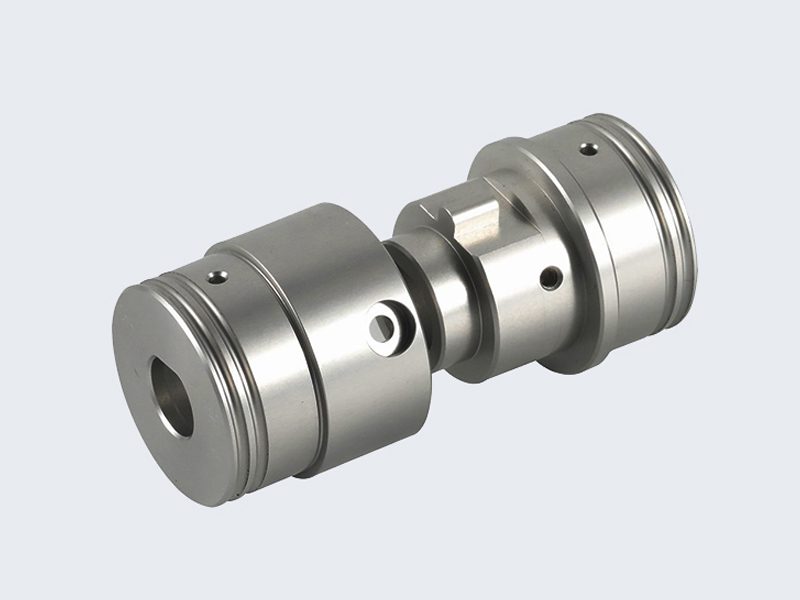
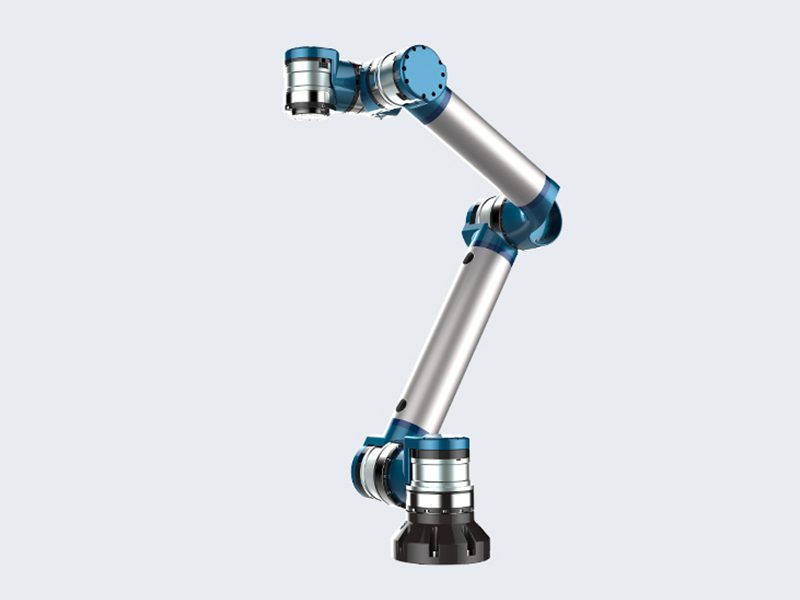
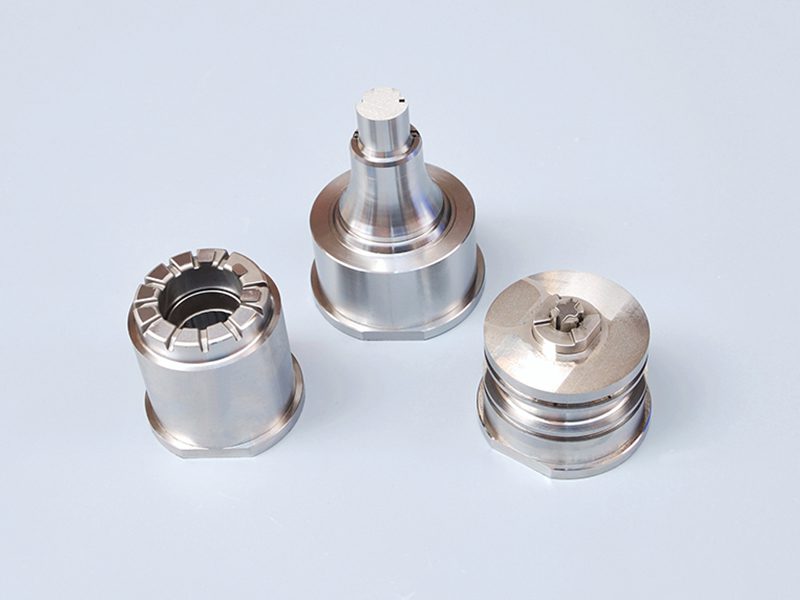
Key application scenarios focused on high-fatigue demand: Aerospace (aircraft wing joints, landing gear accessories, avionics structural parts)—certified for use in commercial and military aircraft; High-performance machinery (precision mold cores, turbocharger components)—withstanding repeated stress without deformation; Racing & premium automotive (suspension brackets, engine connecting rods)—combining strength and fatigue resistance for extreme operating conditions.
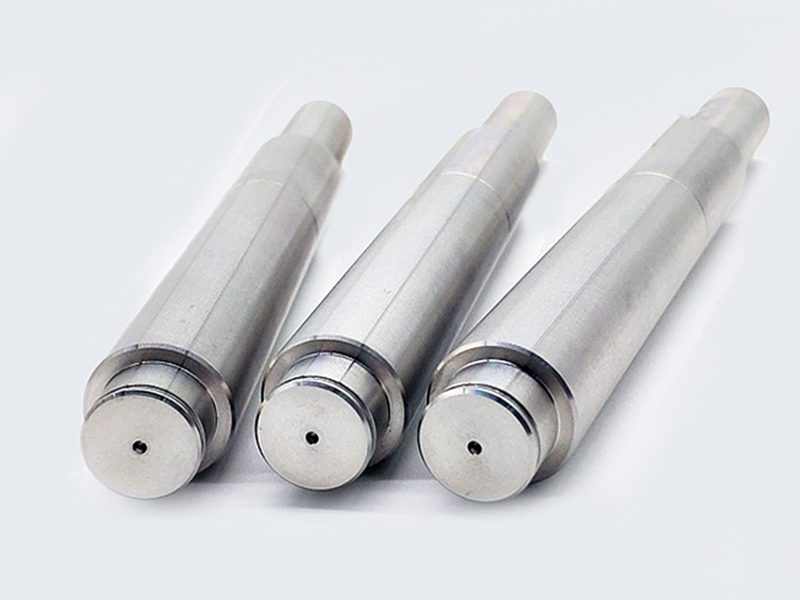
Our supply chain meets aerospace-grade quality requirements: 3200 tons in stock (T3/T6 tempers, 2A12 equivalent), diameters 5-200mm, lengths up to 6m (round/square profiles). Every batch undergoes strict fatigue performance testing and ultrasonic flaw detection (AMS 2631 Level 2), with certified reports covering tensile strength, fatigue resistance, and chemical composition (compliant with GB/T 3196 and AMS 4042).
Value-added services include precision cutting (±0.05mm tolerance), custom surface treatment (passivation/anodizing), and technical support for aerospace-grade heat treatment optimization. Standard specs ship in 4-8 days.
If your project requires aerospace-certified aluminum rods with excellent fatigue resistance (especially for cyclic load scenarios), 2024 (2A12) is the professional choice. Contact us for free aerospace-grade sample testing and detailed technical data sheets (including 2A12 national standard parameters).