What is the difference between aluminium sheet and plate?
Hot keword :2024 5052 5083 6061 7075
The latest article
- 5A05 vs 5A06 Aluminum Rods: Choose the Right One for Your Corrosion-Resistant Needs
- For Extreme-Duty Scenarios: 5083 Aluminum Rods—The Unsung Hero of Harsh Environments
- Need Aluminum Rods for Harsh Corrosion? 5056 Delivers Strength Without Compromise
- Which Aluminum Rod is Perfect for Corrosion-Resistant & Easy-Processing Industrial Parts? 5052 Has the Solution
- 4032 Aluminum Rods: The High-Silicon Hardness Champion for High-Wear Engine & Mold Components
- 3003 Aluminum Rods: The Corrosion-Resistant All-Rounder for Light Industrial Applications

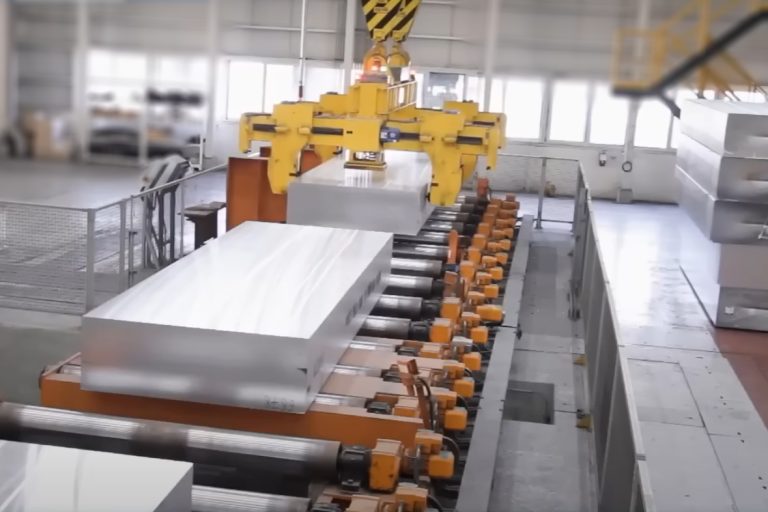
The main difference between aluminum sheet and plate lies in their thickness. While both are flat, rectangular pieces of aluminum, sheet metal is generally considered to be less than 6 mm thick, while plates are typically 6 mm or thicker. This distinction is not based on a strict standard and can vary depending on the industry and country.
Sheet metal is often used for lightweight applications that require flexibility, such as in roofing, signage, and automotive panels. It is easily formed and can be cut into various shapes.
On the other hand, aluminum plates are used for applications that require higher strength and durability, such as in structural components, aerospace parts, and heavy-duty machinery. Plates are often machined or fabricated into specific shapes or structures.